Homeowners Insurance is not only about protecting your house and belongings. It can also provide financial protection if you are legally responsible for injuring another person or damaging someone else’s property. This part of a homeowners policy is commonly known as personal liability coverage. For example, suppose a visitor slips on your property and suffers an injury. If you are legally responsible for the accident, your homeowners liability coverage may help pay covered costs, subject to your policy’s limits, exclusions, and conditions. Personal liability coverage can also become important if an incident leads to a lawsuit. Depending on the circumstances and policy, the liability portion of your homeowners insurance may help with covered legal defense costs and damages for which you are legally responsible.
Understanding how this coverage works can help you identify potential gaps in your homeowners insurance.
What Is Personal Liability Coverage?
Personal liability coverage is a part of many homeowners insurance policies that can protect you financially when you are legally responsible for bodily injury to another person or damage to another person’s property. The coverage generally applies to covered incidents described in the policy and is subject to the policy’s limits and exclusions. Personal liability coverage is different from coverage that protects the physical structure of your house or your personal belongings.
| Coverage | What It Generally Protects |
|---|---|
| Dwelling coverage | The physical structure of your home against covered losses |
| Personal property coverage | Your covered belongings |
| Personal liability coverage | Your financial liability for certain injuries or property damage involving others |
| Medical payments coverage | Certain medical expenses for eligible injuries to others, subject to the policy |
These coverages serve different purposes, so having one does not necessarily mean you have the protection provided by another.
What Does Homeowners Liability Insurance Cover?
Personal liability coverage can apply to different situations. The exact coverage depends on your policy, but common examples involve bodily injury and property damage for which you are legally responsible.
Bodily Injury to Other People
Suppose a guest visits your home and slips on a hazard on your property. If you are legally responsible for the resulting injury, your personal liability coverage may help with covered damages, subject to the policy. The same general concept can apply to certain accidents involving other people away from your property, depending on the policy terms.
Property Damage Caused to Others
Liability coverage can also apply when you are legally responsible for damage to someone else’s property. For example, imagine that you accidentally cause damage to a neighbor’s property. Depending on the circumstances and policy, personal liability coverage may respond to a covered claim. It is important to distinguish this from damage to your own property. Your liability coverage generally is not designed to pay for damage you cause to your own insured property.
Legal Defense and Lawsuits
One of the important features of personal liability coverage is protection related to certain lawsuits. If someone makes a covered liability claim against you, the insurance company may provide a legal defense and pay covered damages up to the applicable policy limits, subject to the policy’s terms. Legal defense provisions can vary, so homeowners should review their policy rather than assuming every lawsuit will be covered.
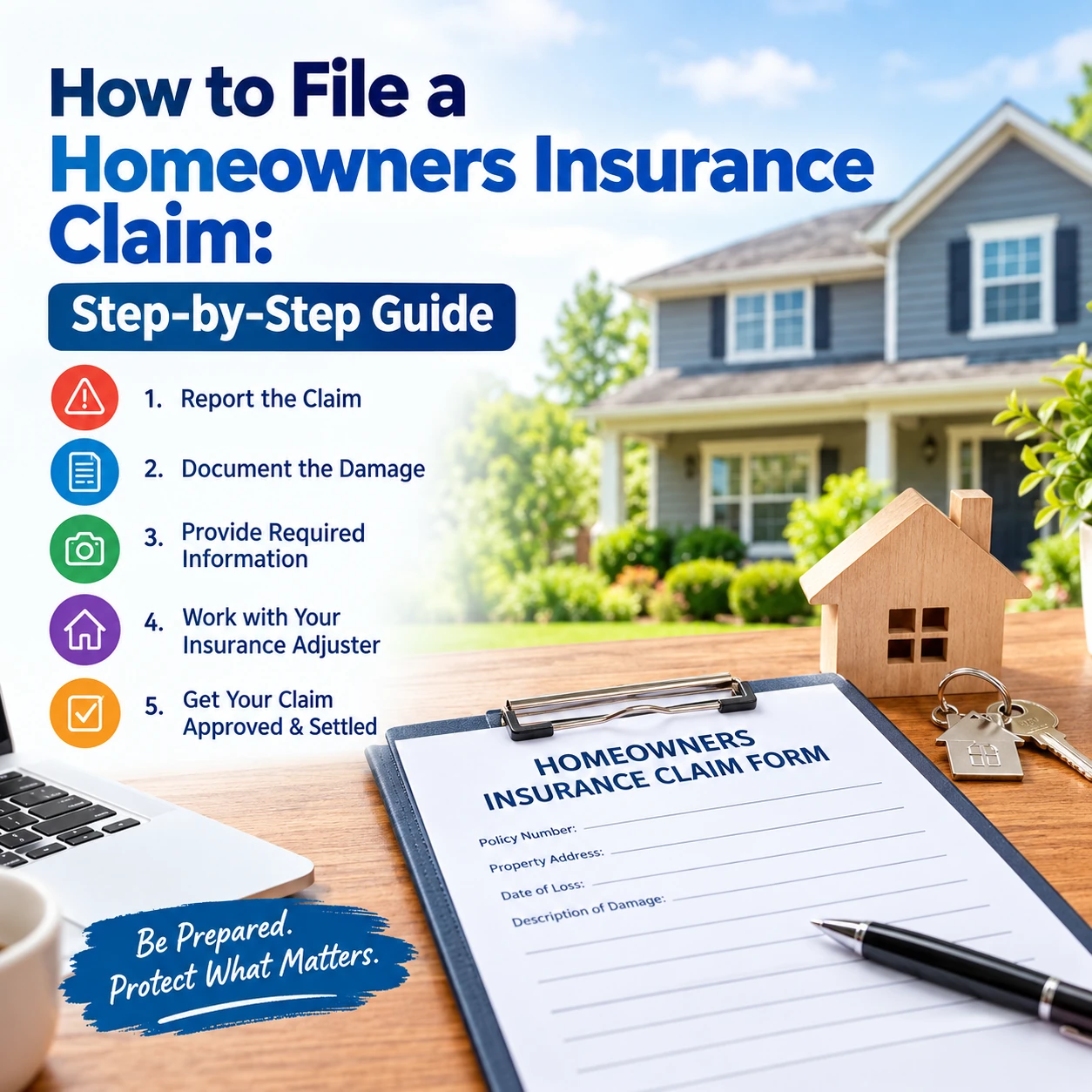
Also Read: How to File a Homeowners Insurance Claim: Step-by-Step Guide
What Is an Example of Personal Liability Coverage?
Consider this example:
You invite several friends to your home. One guest trips on your property, suffers an injury, and later claims that you were responsible because of a hazardous condition that you failed to address. The guest seeks compensation for the injury. If the situation falls within your policy’s liability coverage, your insurance company may investigate the claim and, where applicable, provide a legal defense and pay covered damages up to the policy limit. This does not mean every accident automatically results in an insurance payment. The insurer will examine the facts and determine how the policy applies.
What Does Personal Liability Insurance Not Cover?
Personal liability coverage has important exclusions and limitations. It should not be viewed as protection against every type of lawsuit, injury, or property dispute.
Intentional Acts
Insurance generally does not provide liability protection for intentional acts in the same way it may respond to accidental events. If someone deliberately injures another person or intentionally damages property, coverage can be excluded or limited depending on the policy and circumstances.
Injuries to Certain Household Members
Homeowners liability policies can contain exclusions relating to injuries involving certain people who live in the insured household. The exact wording matters, so review your policy if you have questions about coverage for a household member.
Business-Related Liability
Personal liability coverage should not automatically be assumed to cover business activities. If you operate a business from your home, your homeowners policy may provide limited protection or exclude certain business-related liability. Depending on the situation, you may need business insurance or an appropriate endorsement.
Vehicle-Related Liability
Liability arising from the ownership, maintenance, or use of vehicles is generally handled through auto insurance rather than homeowners personal liability coverage. There can be exceptions and specific policy provisions, so the circumstances matter.
Other Excluded Activities or Risks
Homeowners policies can contain additional exclusions for particular activities, property, or circumstances. Examples may include certain watercraft, aircraft, professional activities, or other risks depending on the policy. Always check the exclusions section of your policy for the exact details.
How Much Personal Liability Coverage Do Homeowners Need?
The amount of liability coverage you need depends on your circumstances and the level of financial risk you want to protect against. Homeowners policies commonly offer different liability limits, and higher limits may be available for an additional premium. When considering your liability limit, think about factors such as:
- The value of your assets
- Your income and financial resources
- The risks associated with your property
- Whether you frequently host guests
- Whether you own rental or other properties
- Whether you have higher-risk recreational activities
- Whether you have additional liability protection elsewhere
There is no single liability limit that is appropriate for every homeowner. A licensed insurance professional can help you evaluate your individual situation.
Personal Liability Coverage vs. Medical Payments Coverage
Personal liability coverage and medical payments coverage are sometimes confused because both can involve injuries to other people. However, they serve different purposes.
| Feature | Personal Liability | Medical Payments |
|---|---|---|
| Main purpose | Protects against certain claims when you are legally responsible | Helps pay certain medical expenses for eligible injuries to others |
| Lawsuit protection | May include defense for covered claims | Generally not designed as liability lawsuit protection |
| Proof of legal responsibility | Liability generally involves legal responsibility | Can apply to eligible injuries without the same liability determination |
| Coverage limit | Usually significantly higher | Usually a smaller separate limit |
The exact rules depend on the policy.
Does Personal Liability Coverage Pay for Your Own Injuries?
Generally, personal liability coverage is intended to protect you when you are legally responsible for injury to another person, rather than paying for your own injuries. Your health insurance or other applicable coverage may handle your own medical expenses. Medical payments coverage under a homeowners policy can also apply to certain injuries involving other people, subject to the policy’s terms.
Does Homeowners Liability Insurance Cover Accidents Away From Home?
Personal liability coverage is not necessarily limited to accidents that happen inside your home. Many homeowners policies can provide personal liability protection for certain covered incidents away from the insured property. For example, an accident involving someone else’s property may potentially fall under personal liability coverage depending on the circumstances. However, exclusions can apply, particularly when another type of insurance is designed to cover the risk.
What Is Personal Liability Coverage for Lawsuits?
A lawsuit can become expensive even when the underlying incident appears relatively simple. If someone claims that you caused an injury or property damage, the insurer may investigate the claim and determine whether it falls within the liability coverage provided by your policy. For a covered claim, the policy may provide legal defense and pay covered damages for which you are legally responsible, subject to applicable limits and policy terms. For example, if someone sues you after an accident at your home, your insurer may assign or arrange for legal counsel to defend a covered claim. However, liability coverage does not mean that the insurer will defend every lawsuit against you. The nature of the claim and the policy wording are important.
What Happens When Someone Makes a Liability Claim Against You?
If someone tells you they were injured or their property was damaged because of something you did or something that happened on your property, contact your insurance company promptly.
A typical process may include:
- You report the incident to your insurer.
- The insurer creates a claim.
- The insurer investigates the circumstances.
- Relevant evidence and statements may be collected.
- The insurer determines whether the policy provides coverage.
- If applicable, the insurer arranges a defense for a covered lawsuit.
- The claim is resolved according to the policy and applicable law.
Do not assume that you need to personally negotiate or settle a liability claim before contacting your insurer.
What Should You Do After an Accident on Your Property?
If someone is injured on your property, focus first on safety and appropriate medical assistance. After the immediate situation is under control:
- Document what happened while the details are fresh.
- Take photographs of relevant conditions when it is safe to do so.
- Keep records of communications.
- Do not destroy or alter important evidence.
- Notify your insurance company promptly.
- Cooperate with the insurer’s investigation.
Avoid making statements about legal responsibility that you cannot establish yourself. Simply explain what happened as accurately as you can.
What Is the Difference Between Liability Coverage and Property Coverage?
The two types of coverage protect against different risks. Property coverage is designed to protect your insured home and belongings against covered losses. Liability coverage is designed to protect you financially against certain claims involving injury to other people or damage to their property for which you may be legally responsible. For example, if a covered storm damages your roof, dwelling coverage may be relevant. If a visitor is injured in a covered liability situation and claims you were responsible, personal liability coverage may be relevant.
When Should You Consider Higher Liability Limits?
Some homeowners may want more liability protection than the basic limit offered by their homeowners policy. This can be particularly relevant when a homeowner has substantial assets or faces circumstances that could create greater liability exposure. Instead of looking only at the price of insurance, consider the amount of financial protection provided and whether the limit is appropriate for your circumstances. Ask your insurer what higher liability limits are available and how much they would cost.
What Is an Umbrella Insurance Policy?
An Umbrella Insurance Policy can provide additional liability protection above the limits of certain underlying insurance policies, subject to its terms and requirements. For example, an umbrella policy may provide additional liability protection after the limits of an underlying homeowners or auto policy have been exhausted for a covered claim. Umbrella insurance has its own requirements, exclusions, and limits. It is not simply an extension that automatically covers every type of liability. Homeowners with significant assets or higher liability exposure may want to discuss umbrella coverage with a licensed insurance professional.
How to Review Your Homeowners Liability Coverage
Reviewing your liability coverage does not have to be complicated.
Check Your Liability Limit
Look at your declarations page to find the personal liability limit included in your policy.
Read the Liability Exclusions
Review the policy section describing exclusions and limitations.
Check Medical Payments Coverage
Look at the separate medical payments limit and understand how it differs from personal liability coverage.
Consider Your Assets
Think about the financial assets you would want to protect if you were involved in a serious covered liability claim.
Review Changes in Your Circumstances
Tell your insurer about major changes that could affect your liability exposure, such as acquiring additional property or starting a home-based business.
Common Mistakes Homeowners Make About Liability Coverage
Assuming Liability Covers Every Lawsuit
Personal liability coverage has exclusions and conditions. Not every lawsuit or legal dispute is covered.
Confusing Liability With Medical Payments
These are separate coverages that serve different purposes.
Choosing Coverage Based Only on Price
The cheapest policy may not provide the liability limit or additional protection that fits your circumstances.
Ignoring Umbrella Insurance
Homeowners with significant assets may want to ask whether additional liability protection is available.
Failing to Report an Incident
If an incident could potentially lead to a liability claim, contact your insurer promptly and follow the policy’s reporting requirements.
Final Thoughts
Personal liability coverage is an important part of homeowners insurance because protecting your home and belongings is only one part of managing your financial risk. Liability coverage can help protect you when you are legally responsible for certain injuries to other people or damage to their property. It may also provide legal defense for covered claims, subject to the policy’s terms and limits.
At the same time, liability insurance has exclusions. Business activities, vehicle-related liability, intentional acts, and other situations may require different coverage or may be excluded. Review your liability limit, understand the exclusions, and consider whether your current coverage reflects your circumstances and financial exposure.
PolicyHelpUSA provides educational information to help U.S. consumers understand insurance. This blog is for general informational purposes and does not provide individual insurance, legal, or financial advice. Coverage, exclusions, limits, and insurance requirements vary by state and policy.
Frequently Asked Questions
What does personal liability cover on homeowners insurance?
Personal liability coverage can protect you against certain claims involving bodily injury to other people or damage to their property when you are legally responsible, subject to the policy’s limits, exclusions, and conditions.
Does homeowners insurance cover someone else’s injury?
It can. Personal liability coverage may apply when you are legally responsible for a covered injury. Medical payments coverage may also help with certain medical expenses for eligible injuries to others, even when the same liability determination is not required.
Does liability coverage pay for my own property?
Generally, no. Liability coverage is primarily designed for claims involving other people or their property. Damage to your own insured property may instead fall under the applicable property coverage if the loss is covered.
What happens if someone sues me after an accident?
Contact your insurance company promptly. If the lawsuit involves a covered liability claim, the insurer may provide a legal defense and pay covered damages up to the applicable policy limits, subject to the policy.
How much liability coverage should a homeowner have?
There is no universal amount that fits every homeowner. Consider your assets, circumstances, property risks, and potential liability exposure, and discuss appropriate limits with a licensed insurance professional.
Does homeowners liability insurance cover accidents outside my home?
It can cover certain incidents away from the insured property, depending on the policy. Specific exclusions and other insurance provisions can apply.
Does homeowners insurance cover a home-based business?
A homeowners policy may provide limited business-related coverage, but you should not assume that it provides complete business liability protection. Additional business insurance or an endorsement may be appropriate.
Can personal liability coverage protect my savings and assets?
It can provide financial protection for covered liability claims, subject to the policy limit and terms. Homeowners with substantial assets may also consider discussing additional liability protection with an insurance professional.