When people think about Homeowners Insurance, they often focus on the house itself. But your home is not the only thing that needs protection. The furniture, clothing, electronics, appliances, kitchen items, sports equipment, and other belongings inside your home can also be covered by your homeowners insurance policy. This part of a homeowners policy is commonly known as personal property coverage or Coverage C. Personal property coverage can help pay to repair or replace covered belongings after certain types of damage or loss, subject to your policy’s terms, coverage limits, exclusions, and deductible. However, not every item is automatically covered for its full value, and valuable possessions such as jewelry, collectibles, artwork, and certain other items may have special limits.
Understanding how personal property coverage works can help you avoid surprises when you need to file a claim.
What Is Personal Property Coverage?
Personal property coverage protects many of the belongings you own and keep in your home. It is generally one of the main property coverages included in a standard homeowners insurance policy. Depending on the policy, covered personal property may include items such as furniture, clothing, electronics, appliances, household goods, and other personal belongings. Coverage generally applies when your property is damaged, destroyed, or stolen because of a covered peril listed in your policy. The exact causes of loss covered depend on the policy you purchase.
What Is Considered Personal Property?
Personal property generally means belongings that are not permanently attached to your home or building. Examples can include:
- Furniture
- Clothing and shoes
- Televisions and other electronics
- Computers and tablets
- Kitchen appliances and household items
- Tools and equipment
- Sports equipment
- Books and personal collections
- Decorative items
- Some jewelry and watches
- Musical instruments
Your policy determines exactly which items are covered and under what circumstances.
What Does Personal Property Coverage Include?
Personal property coverage can protect a wide range of belongings, but coverage depends on the specific policy and the cause of loss.
Furniture and Household Items
Furniture such as sofas, beds, dining tables, chairs, dressers, and other household furnishings may be covered when damaged by a covered event. Household items such as cookware, lamps, rugs, and other personal belongings may also fall under personal property coverage.
Clothing and Shoes
Clothing, shoes, coats, and other personal apparel are generally considered personal property. If covered belongings are damaged or destroyed by a covered peril, the policy may provide compensation subject to its terms and limits.
Electronics
Personal property coverage can include electronics such as televisions, computers, tablets, gaming equipment, cameras, and other devices. However, certain electronics may have specific limitations depending on how they are used. Business equipment, for example, may not receive the same coverage as items used personally.
Appliances and Household Equipment
Some appliances and household equipment may be covered as personal property if they are not permanently installed as part of the structure. The distinction between the building itself and personal property can depend on how an item is installed and the wording of the policy.
Also Read: What Is Personal Liability Coverage in Homeowners Insurance?
Does Personal Property Coverage Apply Outside Your Home?
Personal Property Coverage may extend beyond the physical location of your home. For example, some homeowners policies provide coverage for belongings that are temporarily located away from the insured property. However, coverage outside the home can have different conditions or limits. Some types of property may also have lower limits when they are away from the residence. For that reason, do not assume that every possession has unlimited coverage wherever you take it. Check your policy or ask your insurance company about property you regularly keep outside the home.
Example of Personal Property Away From Home
Suppose you take your laptop with you while traveling and it is stolen during a covered loss. Your homeowners policy may provide some coverage, depending on the circumstances and policy terms. The amount payable could still be affected by your deductible, coverage limits, exclusions, and whether the laptop is covered on an actual cash value or replacement cost basis.
How Much Personal Property Coverage Do You Need?
The amount of personal property coverage you need depends on the value of your belongings and the terms of your homeowners insurance policy. Some homeowners policies set the personal property limit as a percentage of the dwelling coverage limit. NAIC notes that personal property coverage is commonly expressed as a percentage of the dwelling limit, but the percentage can vary by policy. For example, if a policy provided a $300,000 dwelling limit and personal property coverage equal to 50% of that amount, the personal property limit would be $150,000. That does not mean every homeowner should have exactly $150,000 of personal property coverage. Your actual policy and your belongings should determine whether that amount is sufficient.
Create a Home Inventory
A home inventory is one of the simplest ways to estimate how much your belongings are worth. Go through your home room by room and make a list of your possessions. Include important information such as:
- Item name
- Brand and model
- Purchase price
- Approximate purchase date
- Serial number, when applicable
- Receipts or other proof of purchase
- Photos or videos
The NAIC recommends creating and regularly updating a home inventory because it can help you determine appropriate coverage and document belongings after a loss.
Don’t Forget Items You Rarely Use
It is easy to overlook belongings stored in closets, garages, basements, attics, storage areas, or other parts of the property. Items such as seasonal clothing, tools, bicycles, holiday decorations, sports equipment, and older electronics can add up to a significant amount.
Actual Cash Value vs. Replacement Cost for Personal Property
One of the most important things to understand is how your policy values your personal belongings after a covered loss. Policies may use actual cash value or replacement cost, depending on the coverage and policy terms.
What Is Actual Cash Value?
Actual cash value generally considers depreciation when determining the value of damaged or destroyed property. For example, imagine you bought a television several years ago for $1,500. If it is destroyed in a covered loss, an actual cash value calculation may account for its age and depreciation rather than simply paying the cost of buying a brand-new television. NAIC explains that actual cash value for personal property generally reflects the item’s value at the time of the loss, taking depreciation into account.
What Is Replacement Cost?
Replacement cost coverage is designed to pay the cost to repair or replace covered property with property of like kind and quality, without subtracting depreciation, subject to the policy’s terms and limits. Some policies may initially pay actual cash value and then provide additional replacement-cost payment after you repair or replace the damaged property. The exact claim process depends on the policy.
Why This Difference Matters
Consider a five-year-old laptop that originally cost $1,500. If the laptop is destroyed in a covered claim, an actual cash value settlement may account for depreciation. A replacement cost provision may provide additional money toward replacing it with a comparable new item, depending on the policy requirements. This is why homeowners should understand the valuation method listed in their policy rather than assuming every claim will pay the item’s original purchase price.
Are Valuable Items Fully Covered?
Not necessarily.
Homeowners insurance can cover valuable belongings, but certain categories of property may have special or lower limits for particular types of losses, especially theft. NAIC notes that policies commonly place specific dollar limits on certain valuable personal property, including items such as jewelry, artwork, antiques, silverware, computers, and other valuables.
Jewelry and Watches
Jewelry can be subject to a special policy limit. If you own expensive engagement rings, watches, necklaces, or other valuable pieces, the standard limit may not be enough to fully protect them.
Collectibles and Artwork
Rare collectibles, artwork, antiques, and similar possessions may also require additional coverage depending on their value and the policy terms.
Musical Instruments
Expensive musical instruments may require special attention, particularly if they are used professionally or have a high replacement value.
How Can You Get More Coverage for Valuable Items?
If you own belongings whose value exceeds the standard limits in your homeowners policy, you may be able to purchase additional coverage through an endorsement, scheduled personal property coverage, or another policy option.
The appropriate solution depends on the insurer and the item.
Scheduled Personal Property
Scheduling an item generally means specifically identifying it on the policy and providing information about its value. Depending on the policy, you may need documentation such as an appraisal, receipt, photograph, or other proof of value.
Ask About Special Limits
Before assuming a valuable item is fully covered, ask your insurer:
- What is the coverage limit for this type of property?
- Does the limit apply to theft, accidental damage, or both?
- Is an appraisal required?
- Should the item be scheduled separately?
- Is there a deductible for the item?
- Is the item covered while traveling?
What Does Personal Property Coverage Not Cover?
Personal property coverage does not mean every type of loss is covered. Homeowners insurance policies contain exclusions and conditions that determine when coverage applies. The specific exclusions vary by policy.
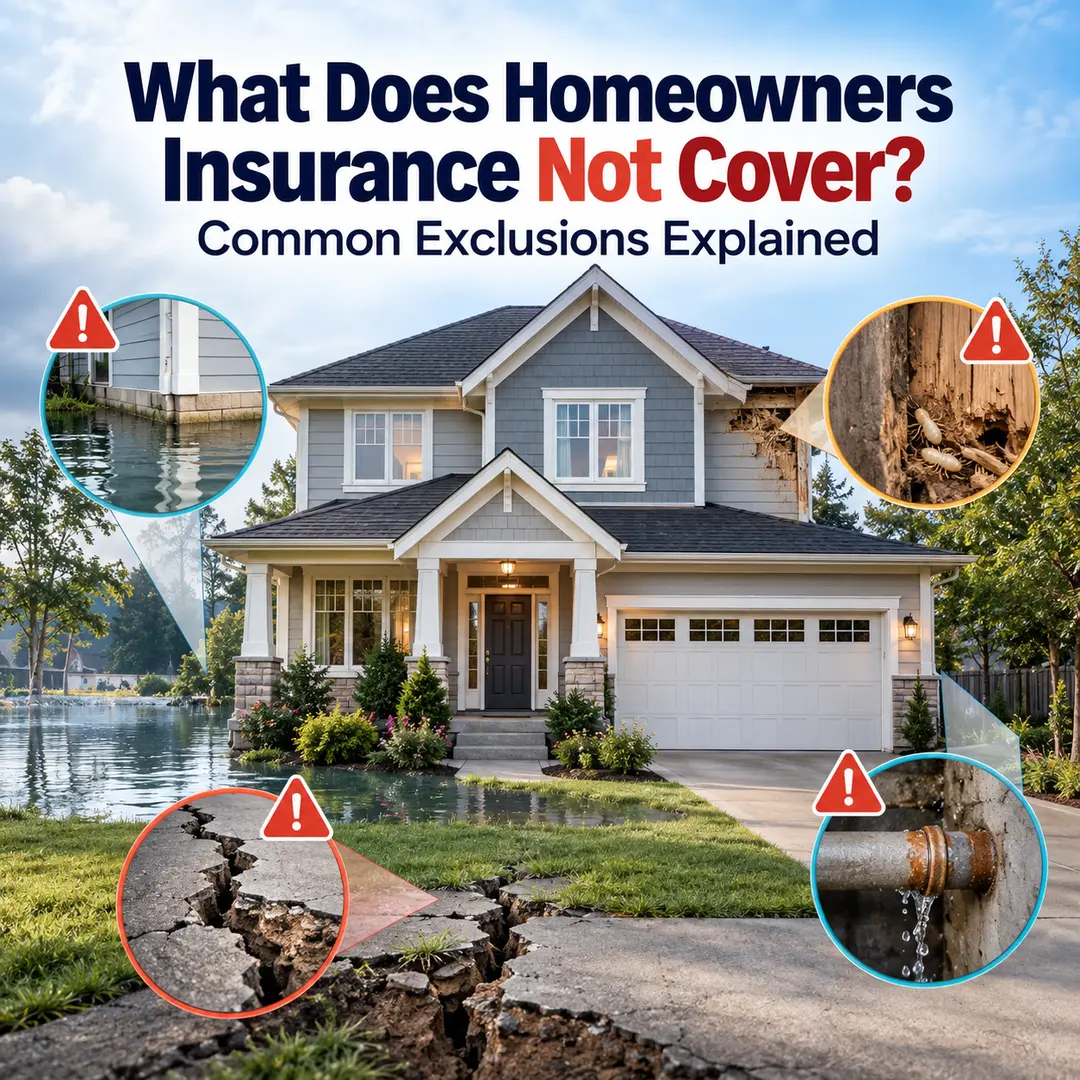
Flood Damage
Standard homeowners insurance generally does not cover flood damage. Homeowners who need protection against flooding typically need separate flood insurance.
Earthquake Damage
Earthquake damage is also generally excluded from standard homeowners insurance and may require separate earthquake coverage depending on your location and insurance options.
Wear and Tear
Homeowners insurance is not designed to pay for ordinary deterioration, aging, or routine maintenance problems. For example, a television that simply stops working because it has reached the end of its useful life is not automatically an insurance claim.
Intentional Damage
Damage intentionally caused by an insured person may be excluded. The exact wording and circumstances matter, so the policy should always be reviewed before assuming coverage.
Does Personal Property Coverage Have a Deductible?
Yes, a homeowners insurance deductible can apply to covered personal property claims. For example, suppose your covered personal belongings suffer $8,000 in damage and your applicable deductible is $1,000. If the loss is fully covered, you would generally be responsible for the deductible and the insurer would consider the remaining covered amount according to the policy terms.
Deductibles can vary between policies, and certain types of losses may have separate deductibles.
Check for Special Deductibles
Some policies may have special deductibles for certain risks, particularly catastrophe-related losses. These may be expressed as a percentage rather than a fixed dollar amount. Always check the declarations page and policy wording so you understand which deductible applies to a particular loss.
How to Protect Your Personal Belongings
Insurance is only one part of protecting your belongings. Good recordkeeping and preventive measures can make a significant difference after a loss.
Keep a Current Home Inventory
Update your inventory when you purchase expensive items, sell belongings, or make major changes to your household possessions.
Take Photos and Videos
Photograph or record valuable belongings and important household items. Store copies somewhere separate from your home, such as secure cloud storage or another location.
Keep Receipts and Other Records
Save receipts, invoices, appraisals, warranties, and other documents for expensive possessions.
Review Your Coverage Regularly
Your personal property can change significantly over time. A new television, computer, jewelry purchase, furniture, or collection may increase the amount of coverage you need. Review your homeowners insurance periodically and ask your insurer whether your current limits and endorsements still match your belongings. NAIC recommends reviewing coverage and adjusting it as circumstances and possessions change.
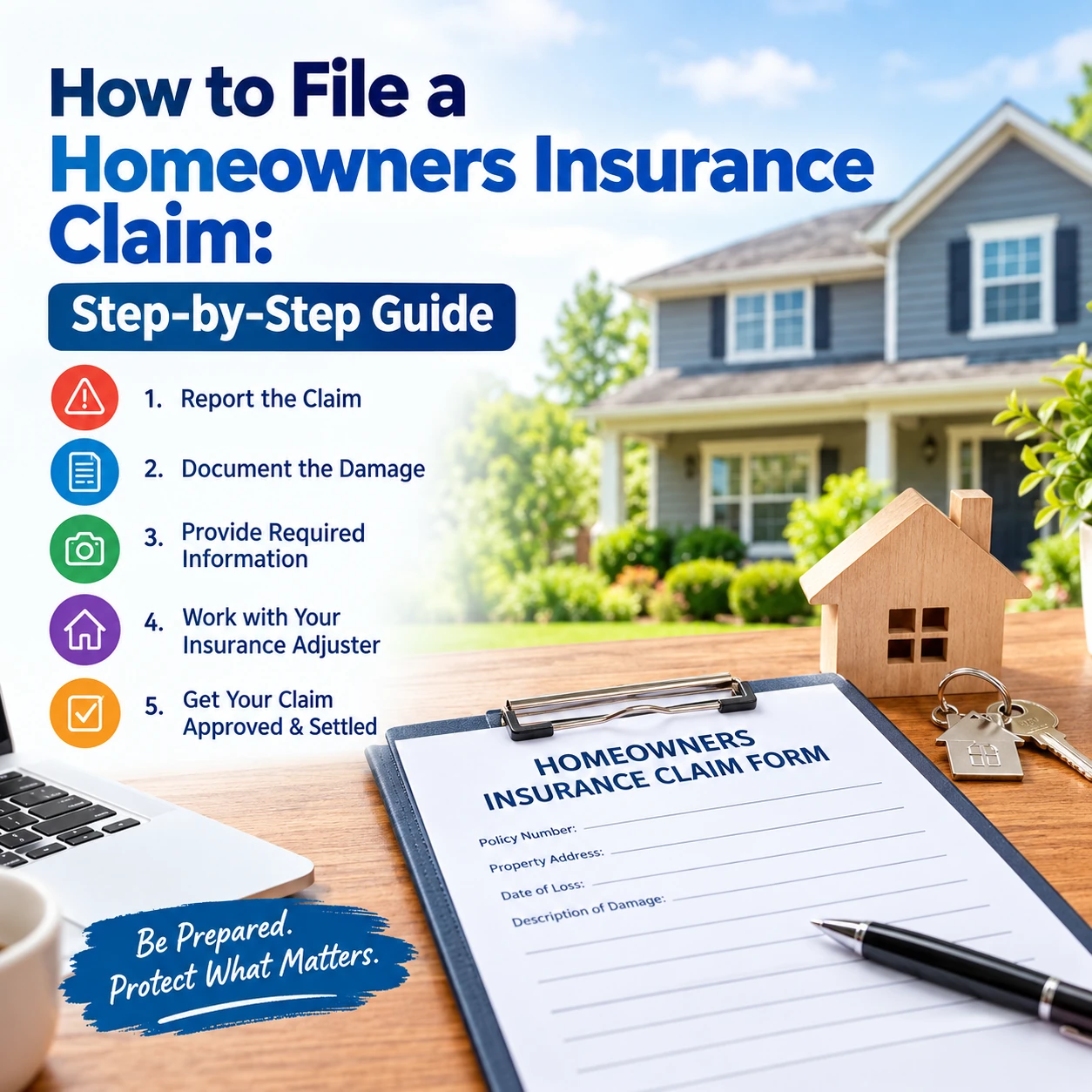
What Happens If Your Personal Property Is Damaged?
If your belongings are damaged or stolen in a situation that may be covered, document the loss before disposing of damaged property whenever it is reasonably safe to do so.
Document the Damage
Take clear photographs and videos of damaged items. Make a list of what was damaged, destroyed, or missing.
Contact Your Insurance Company
Notify your insurer or insurance agent as soon as reasonably possible and follow the instructions provided for filing a claim.
Provide Supporting Documentation
Your insurer may ask for information such as receipts, photographs, inventory records, estimates, ownership documentation, or other evidence related to the loss. Keeping a home inventory before a loss can make this process easier.
Common Mistakes Homeowners Make With Personal Property Coverage
Assuming Everything Is Covered
Not every cause of loss is covered. Exclusions, conditions, and policy limits matter.
Underestimating the Value of Belongings
Many homeowners underestimate how much it would cost to replace everything in their home. A room-by-room inventory can provide a more realistic estimate.
Ignoring Valuable Items
Expensive jewelry, collectibles, artwork, electronics, and other high-value belongings may have special limits.
Not Checking ACV vs. Replacement Cost
The valuation method can significantly affect how a covered personal property claim is calculated.
Failing to Update the Policy
Major purchases and lifestyle changes can affect your insurance needs. Your coverage should be reviewed when your property or circumstances change.
Final Thoughts
Personal property coverage is an important part of homeowners insurance because your home contains much more than its walls, roof, floors, and permanent fixtures. Your furniture, clothing, electronics, appliances, tools, and other belongings can represent a substantial financial investment. Understanding your personal property limit, deductible, covered perils, exclusions, special limits, and valuation method can help you make better decisions about your homeowners insurance.
Start by creating a detailed home inventory. Then review your policy to see whether your coverage is based on actual cash value or replacement cost and whether valuable belongings require additional protection. Insurance policies vary, so always read your policy documents and speak with your insurance company or licensed insurance professional when you need clarification about your specific coverage.
PolicyHelpUSA Tip: Don’t wait until after a loss to discover that your personal property limit is too low or that an expensive item has a special coverage limit. Reviewing your belongings and policy before a claim can help you identify potential coverage gaps.
Frequently Asked Questions About Personal Property Coverage
Is personal property coverage included in homeowners insurance?
Personal property coverage is generally included in standard homeowners insurance policies, but the exact coverage, limits, exclusions, and valuation method depend on the policy.
Does personal property insurance cover theft?
Personal property coverage may cover theft when theft is a covered peril under the policy. However, certain valuable items may have special limits, so check your policy for specific categories and limits.
Does homeowners insurance cover personal belongings outside the home?
Some homeowners policies provide coverage for personal property away from the insured residence, but special conditions or limits may apply. Check your policy for the details.
Does personal property coverage include jewelry?
Jewelry can be covered, but standard policies may impose special limits for certain types of losses. Additional coverage may be available for high-value jewelry.
Is personal property covered at replacement cost?
It depends on your policy. Some policies provide replacement cost coverage, while others may value personal property using actual cash value. Some replacement-cost claims may initially be paid at actual cash value until the property is repaired or replaced, depending on the policy terms.
How do I know how much personal property coverage I need?
Create a detailed home inventory and estimate the cost of replacing your belongings. Compare that amount with the personal property limit shown on your policy.
What happens if my belongings are worth more than my coverage limit?
If the value of your covered belongings exceeds your policy limit, you may not have enough coverage to replace everything after a covered loss. You can discuss increasing your limit or adding specific coverage for valuable items with your insurer.