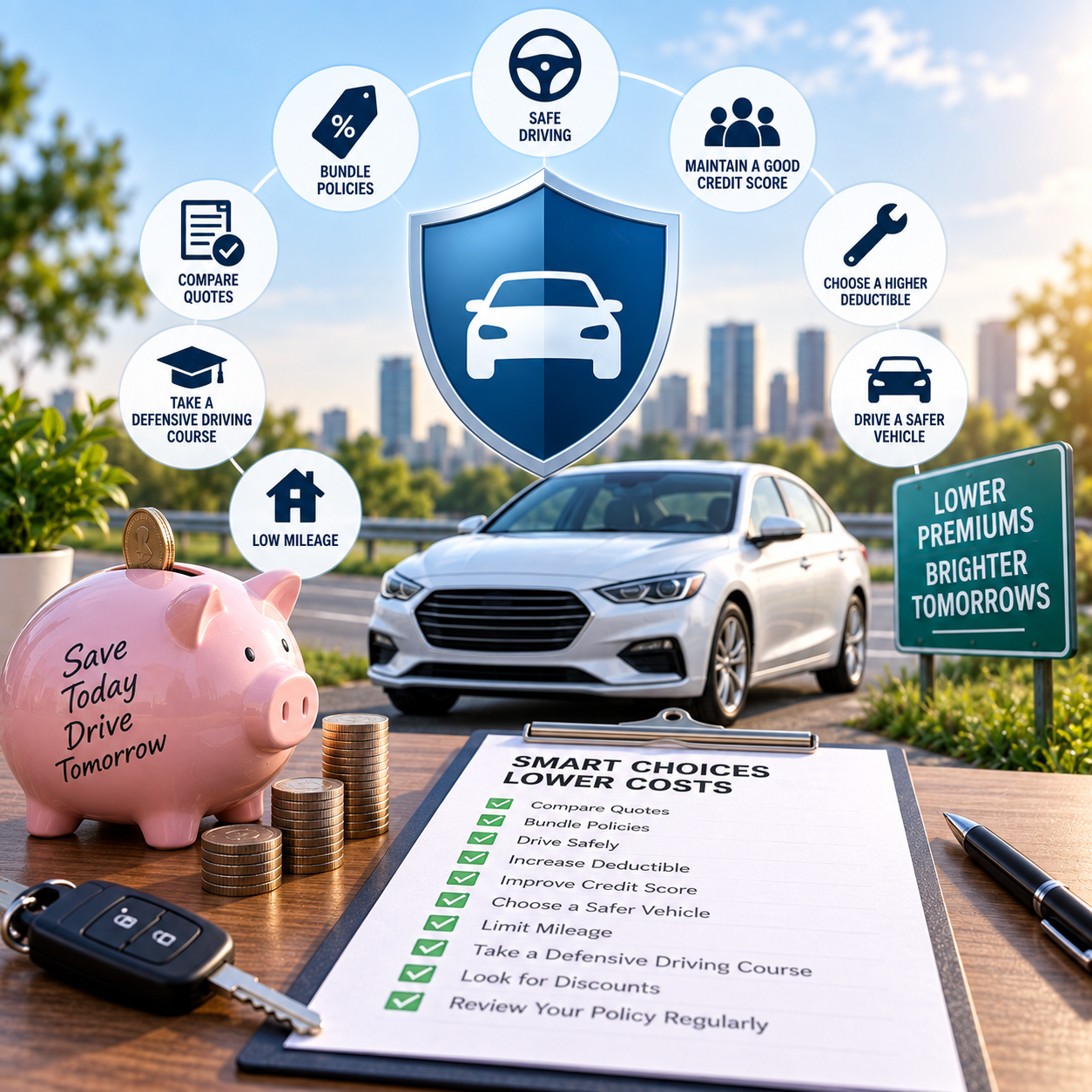
Car Insurance is an essential expense for every driver, but that doesn’t mean you should pay more than necessary. Many people renew their policies every year without comparing prices, reviewing their coverage, or checking whether they qualify for discounts. As a result, they may spend hundreds of dollars more than they need to. The good news is that lowering your car insurance premium doesn’t always require reducing your coverage. In many cases, small changes such as comparing quotes, updating your annual mileage, or asking about available discounts can lead to meaningful savings while keeping the protection you need.
In this guide, you’ll discover ten proven ways to save money on car insurance in 2026. Whether you’re buying your first policy or looking for ways to reduce your current premium, these practical tips can help you make smarter insurance decisions.
Also Read: What Is Car Insurance? The Complete Beginner’s Guide to Auto Insurance in the USA (2026)
Why Many Drivers Pay More Than They Should
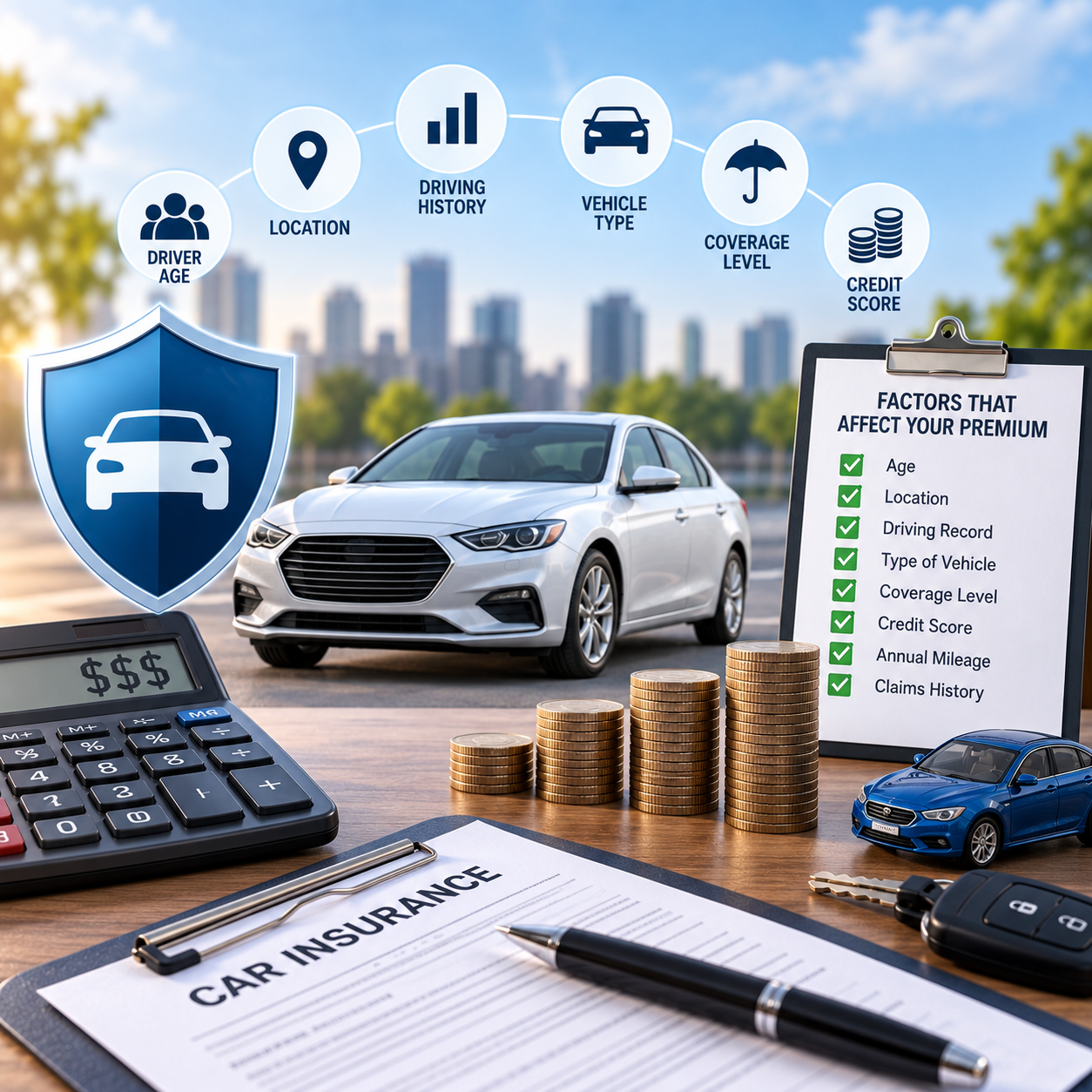
Insurance companies calculate premiums using many different factors, including your driving history, vehicle, location, age, and the coverage you choose. However, many drivers unknowingly increase their own costs by overlooking opportunities to save. Here are some of the most common reasons people overpay for car insurance:
- Automatically renewing their policy without comparing other insurers.
- Keeping coverage that no longer matches their vehicle’s value.
- Missing discounts they already qualify for.
- Choosing deductibles without considering their financial situation.
- Failing to review their policy after major life changes.
Reviewing your insurance once a year can help you identify unnecessary expenses and ensure you’re still getting good value for your money.
1. Compare Quotes from Multiple Insurance Companies
One of the easiest and most effective ways to lower your car insurance premium is to compare quotes from several insurers before renewing your policy. Every insurance company uses its own pricing formula. Even when you’re requesting identical coverage, one insurer may offer a significantly lower premium than another because each company evaluates risk differently. Instead of accepting the first renewal offer you receive, request quotes from several reputable insurers. Comparing prices allows you to see whether you’re still receiving competitive value.
Why This Works
- Different insurers specialize in different types of drivers.
- Some companies offer better rates for families, while others favor experienced drivers or low-mileage motorists.
- New customer promotions may also reduce your premium.
Comparing quotes once every year or two can often result in substantial long-term savings.
2. Bundle Your Insurance Policies
Many insurance companies reward customers who purchase more than one policy with them. This is commonly known as bundling. For example, you may qualify for a discount by purchasing your auto insurance and homeowners, renters, or condominium insurance from the same insurer.
Common Policies That Can Be Bundled
- Auto insurance
- Homeowners insurance
- Renters insurance
- Condominium insurance
- Motorcycle insurance
- Recreational vehicle insurance
Although bundling can lead to savings, it’s still important to compare the total cost. A bundled package isn’t automatically the best deal if another insurer offers significantly lower individual premiums.
3. Choose a Higher Deductible (If It Fits Your Budget)
Your deductible is the amount you pay out of pocket before your insurance helps cover certain types of claims, such as collision or comprehensive losses.
Choosing a higher deductible usually lowers your monthly premium because you’re accepting more financial responsibility if you need to file a covered claim.
| Deductible | Typical Premium Trend |
|---|---|
| $250 | Higher monthly premium |
| $500 | Moderate monthly premium |
| $1,000 | Lower monthly premium |
However, don’t choose a deductible simply because it reduces your premium. Make sure it’s an amount you could comfortably afford if your vehicle were damaged in a covered accident. If you are unsure how deductibles work, read our guide on How Car Insurance Deductibles Work before making changes to your policy.
4. Maintain a Clean Driving Record
Your driving history has a major influence on how insurers calculate your premium. Drivers who avoid accidents, speeding tickets, and serious traffic violations are generally considered lower risk. As a result, they often qualify for lower premiums and safe driver discounts.
Simple Habits That Can Help
- Follow posted speed limits.
- Avoid distracted driving.
- Leave enough space between vehicles.
- Obey traffic signals and road signs.
- Drive defensively during poor weather conditions.
Even one avoidable traffic violation may affect your premium for several years, making safe driving one of the most valuable long-term ways to save money.
5. Ask About Every Available Discount
Many drivers qualify for discounts without realizing it. While insurance companies advertise some savings opportunities, others may only be applied if you ask. When requesting a quote or renewing your policy, ask your insurer for a complete list of available discounts.
Common examples include:
- Safe driver discount
- Good student discount
- Multi-vehicle discount
- Multi-policy discount
- Low-mileage discount
- Paperless billing discount
- Automatic payment discount
- Defensive driving course discount
- Vehicle safety feature discount
Individually, these discounts may seem small. Combined, however, they can significantly reduce your annual insurance costs.
6. Review Your Coverage Every Year
Your insurance needs don’t stay the same forever. A policy that was the right fit three years ago may no longer provide the best value today. Many drivers renew their policies automatically without reviewing their coverage. Over time, this can result in paying for protection that is no longer necessary or missing opportunities to adjust coverage based on changes in their lives.
You should review your policy whenever you:
- Buy or sell a vehicle.
- Move to a new home or state.
- Pay off a financed vehicle.
- Get married.
- Add or remove a driver from your policy.
- Change how often you drive.
An annual policy review only takes a short amount of time but could help you identify unnecessary expenses while ensuring your coverage still matches your needs.
7. Drive Less and Update Your Annual Mileage
Insurance companies often consider how much you drive each year when calculating your premium. Generally, the more time you spend on the road, the greater the chance of being involved in an accident. If your annual mileage has decreased because you now work remotely, retired, changed jobs, or simply drive less than before, let your insurance company know. Some insurers offer lower premiums for drivers who travel fewer miles each year because they present a lower level of risk.
Situations That May Reduce Your Annual Mileage
- Working from home.
- Retirement.
- Using public transportation more often.
- Driving a company vehicle.
- Moving closer to work or school.
Updating your mileage is one of the easiest ways to ensure your premium accurately reflects your current driving habits.
8. Choose a Vehicle That Costs Less to Insure
The vehicle you drive has a significant impact on your insurance premium. Before purchasing your next car, it’s worth considering not only the purchase price but also the long-term insurance costs. Insurance companies evaluate vehicles based on several factors, including repair costs, theft rates, safety features, replacement part prices, and historical claim data.
| Vehicle Type | Typical Insurance Cost |
|---|---|
| Compact Sedan | Usually lower |
| Family SUV | Moderate |
| Minivan | Often lower |
| Pickup Truck | Varies by model |
| Luxury Vehicle | Generally higher |
| Sports Car | Usually highest |
Vehicles equipped with advanced safety features such as automatic emergency braking, lane departure warnings, and adaptive cruise control may also qualify for discounts with some insurers. Before purchasing a new vehicle, request insurance quotes for several models. You may discover that two similarly priced vehicles have very different insurance costs.
9. Improve Your Credit (Where Permitted by Law)
In many states, insurance companies may consider a credit-based insurance score when determining premiums. Although this is not the same as your traditional credit score, maintaining healthy financial habits may help you qualify for lower rates where this practice is allowed. Simple ways to strengthen your financial profile include:
- Pay bills on time.
- Reduce outstanding debt where possible.
- Review your credit reports for errors.
- Avoid missing loan or credit card payments.
Several states restrict or prohibit insurers from using credit information when pricing auto insurance. Your insurer must follow the laws that apply in your state.
10. Shop Before Your Policy Renews
Many drivers wait until their renewal notice arrives before thinking about shopping for insurance. By then, they often feel pressured to accept the renewal offer because the policy expires soon. Instead, begin comparing quotes a few weeks before your renewal date. Starting early gives you enough time to:
- Compare coverage options.
- Review available discounts.
- Ask questions about policy differences.
- Switch insurers if you find a better value.
Planning ahead reduces the chance of rushed decisions and helps you secure appropriate coverage before your current policy expires.
Common Car Insurance Discounts You Should Always Ask About
Discounts vary by insurance company, but many insurers offer similar savings opportunities. Asking about these discounts during the quote process could help reduce your premium.
| Discount | Who May Qualify | Potential Benefit |
|---|---|---|
| Safe Driver | Drivers with a clean driving record | Lower premium |
| Multi-Policy | Customers who bundle insurance policies | Lower premium |
| Multi-Vehicle | Households insuring multiple vehicles | Lower premium |
| Good Student | Eligible students meeting insurer requirements | Lower premium |
| Low Mileage | Drivers with fewer annual miles | Lower premium |
| Defensive Driving Course | Drivers completing approved courses | Lower premium |
| Paperless Billing | Customers using electronic documents | Lower premium |
| Automatic Payments | Customers enrolled in AutoPay | Lower premium |
Not every insurer offers the same discounts, so don’t assume they’ll be applied automatically. Asking a simple question could save you money every year.
Real-Life Savings Examples
Example 1: Comparing Quotes
David had been insured with the same company for six years. Before renewing, he requested quotes from several insurers offering the same coverage limits. After comparing his options, he found a policy with similar protection at a lower annual premium.
Example 2: Bundling Policies
Jessica combined her homeowners and auto insurance with the same company. By bundling her policies, she qualified for a discount that reduced her overall insurance costs while keeping the coverage she wanted.
Example 3: Updating Annual Mileage
After changing to a remote job, Carlos drove much less than before. He contacted his insurer to update his estimated annual mileage and learned he qualified for a lower premium because he was spending fewer hours on the road.
Common Mistakes That Prevent Drivers from Saving Money
Many drivers focus only on finding the lowest premium, but saving money on car insurance is about finding the right balance between cost and protection. Avoiding these common mistakes can help you keep your insurance affordable without leaving yourself underinsured.
1. Renewing Without Comparing Quotes
One of the biggest mistakes is automatically renewing your policy every year. Insurance companies regularly adjust their pricing, and another insurer may offer similar coverage at a more competitive price. Taking a few minutes to compare quotes before your renewal date could lead to significant long-term savings.
2. Buying the Cheapest Policy Without Reviewing Coverage
A low premium may seem attractive, but the cheapest policy isn’t always the best value. Lower-priced policies may include lower liability limits or exclude optional coverages that could be valuable after a serious accident. Always compare both the price and the coverage before making a decision.
3. Choosing the Wrong Deductible
Selecting a deductible that’s too low may result in higher monthly premiums, while choosing one that’s too high could create financial stress if you need to file a claim. Your deductible should reflect your emergency savings and financial situation.
4. Forgetting to Ask About Discounts
Many insurance discounts aren’t applied automatically. If you never ask about available discounts, you could miss savings opportunities that you’re already eligible for. Whenever you request a quote or renew your policy, ask your insurer to review every available discount.
5. Keeping Unnecessary Coverage on an Older Vehicle
As vehicles lose value over time, certain optional coverages may become less cost-effective. Depending on your vehicle’s market value and financial circumstances, it may be worth reviewing whether collision or comprehensive coverage still provides good value. Reviewing your coverage annually helps ensure you’re paying for protection that still makes sense.
Quick Checklist: 10 Ways to Save Money on Car Insurance
Use this checklist when reviewing your policy or shopping for a new one.
- ✔ Compare quotes from multiple insurance companies.
- ✔ Bundle your insurance policies when appropriate.
- ✔ Choose a deductible that fits your budget.
- ✔ Maintain a clean driving record.
- ✔ Ask about every available discount.
- ✔ Review your coverage every year.
- ✔ Update your annual mileage if you drive less.
- ✔ Consider insurance costs before buying your next vehicle.
- ✔ Improve your credit where insurers are allowed to use credit-based insurance scores.
- ✔ Shop around before your policy renewal date.
Even following just a few of these strategies can help reduce your premium while maintaining the protection you need.
Final Verdict
Saving money on car insurance doesn’t have to mean sacrificing important protection. The smartest approach is to review your policy regularly, compare quotes from multiple insurers, and take advantage of discounts that match your circumstances. Small changes can make a meaningful difference over time. Updating your annual mileage, reviewing your deductible, or bundling insurance policies could lower your premium while keeping your financial protection intact. Instead of focusing only on finding the lowest price, aim to find the best overall value a policy that provides the coverage you need at a competitive premium.
Conclusion
Car insurance is a necessary part of owning a vehicle, but paying more than you need to isn’t. By understanding how insurers calculate premiums and following these ten practical strategies, you can make informed decisions that help control your insurance costs year after year. Remember that every driver’s situation is different. The best way to save money is to review your needs regularly, compare policies carefully, and choose coverage that balances affordability with the protection that’s right for you.
At PolicyHelpUSA, we are committed to helping U.S. drivers understand auto insurance through clear, practical, and unbiased guides. Whether you’re buying your first policy or looking for ways to lower your premium, our goal is to give you the knowledge you need to make confident insurance decisions.
Frequently Asked Questions
What is the fastest way to lower my car insurance premium?
Comparing quotes from multiple insurers is often one of the quickest ways to find potential savings. You should also ask about available discounts and review whether your current coverage still matches your needs.
Does raising my deductible always save money?
In many cases, choosing a higher deductible lowers your premium. However, you should only increase your deductible if you’re confident you could comfortably pay that amount after a covered claim.
Is switching insurance companies a good idea?
Switching insurers can be worthwhile if another company offers better value for similar coverage. Before making a change, compare policy limits, deductibles, optional coverages, customer service, and claims support not just the premium.
How often should I compare car insurance quotes?
Many experts recommend comparing quotes at least once a year or whenever your policy is due for renewal. It’s also a good idea after major life events such as moving, buying a new vehicle, getting married, or adding another driver to your policy.
Can I lower my premium without reducing my coverage?
Yes. Many drivers reduce their premiums by qualifying for discounts, maintaining a clean driving record, bundling policies, updating their mileage, or shopping around before renewal without reducing their level of protection.