Buying car insurance isn’t just about meeting your state’s legal requirements it’s about protecting yourself financially if something goes wrong. One of the biggest questions drivers ask is:
Should I buy liability insurance or full coverage?
The answer depends on several factors, including the value of your vehicle, your budget, whether you have a loan or lease, and how much financial risk you’re willing to take. Many drivers choose the cheapest option without fully understanding what they’re giving up. Others pay for coverage they may no longer need. Making the right choice can save you hundreds or even thousands of dollars while ensuring you’re protected when it matters most.
In this guide, you’ll learn:
- The difference between liability and full coverage insurance
- What each type of policy covers
- Which option is legally required
- How much each typically costs
- When liability insurance makes sense
- When paying for full coverage is the smarter investment
If you are new to auto insurance, start with our complete guide: What Is Car Insurance? The Complete Beginner’s Guide.
What Is Liability Car Insurance?
Liability insurance is the minimum level of car insurance required in most U.S. states. Its primary purpose is simple: It pays for other people’s injuries and property damage if you’re responsible for causing an accident. Think of liability insurance as financial protection for everyone except you and your own vehicle. If you accidentally rear-end another driver, your liability insurance helps cover:
- Medical bills for injured people
- Repairs to another person’s vehicle
- Damage to fences, buildings, mailboxes, or other property
- Legal expenses if you’re sued after the accident
However, liability insurance does not pay to repair or replace your own car. That distinction is what separates liability insurance from full coverage.
The Two Parts of Liability Insurance
Liability insurance is generally divided into two separate protections.
Bodily Injury Liability (BI)
This coverage helps pay for injuries you cause to other people in an accident.
It may cover:
- Emergency medical treatment
- Hospital bills
- Rehabilitation costs
- Lost wages
- Pain and suffering (depending on the claim)
- Legal defense costs
Example
Imagine you’re distracted while driving and hit another vehicle at an intersection. The other driver suffers a broken arm and requires surgery. Your Bodily Injury Liability coverage can help pay those medical expenses up to your policy limits.
Property Damage Liability (PD)
Property Damage Liability pays for damage you cause to someone else’s property.
This commonly includes:
- Cars
- Trucks
- Motorcycles
- Buildings
- Utility poles
- Guardrails
- Mailboxes
- Fences
- Storefronts
Example
If you lose control of your vehicle during heavy rain and crash into someone’s parked SUV, your Property Damage Liability coverage helps pay for the repairs.
Liability Insurance Doesn’t Cover Your Own Vehicle
This is one of the biggest misconceptions among new drivers. Many people assume liability insurance will fix their own car after an accident.
It won’t.
Suppose:
- You accidentally hit another vehicle.
- Your car sustains $8,000 in damage.
- The other driver’s car has $4,000 in damage.
With liability-only insurance:
- ✅ The other driver’s repairs may be covered.
- ❌ Your own repair bill comes entirely out of your pocket.
That’s why liability insurance is usually recommended only in specific situations, which we’ll discuss later.
Why Every State Has Minimum Liability Requirements
Car accidents can cause serious financial damage. Without liability insurance, accident victims might never recover the money needed to repair their vehicle or pay medical expenses. To protect everyone on the road, almost every U.S. state requires drivers to carry at least a minimum amount of liability insurance. The required limits vary by state.
For example, a policy might be written as:
25/50/25
This means:
- $25,000 maximum bodily injury coverage per injured person
- $50,000 maximum bodily injury coverage per accident
- $25,000 property damage coverage per accident
These are only examples. Some states require higher or lower limits, while a few have unique insurance systems. Meeting the legal minimum keeps you compliant with state law, but minimum coverage may not be enough if you’re involved in a serious accident.
What Is Full Coverage Car Insurance?
Despite its name, full coverage is not a specific insurance policy. Instead, it’s a combination of several types of protection bundled together. A typical full coverage policy includes:
- Liability Insurance
- Collision Coverage
- Comprehensive Coverage
Many drivers also choose optional protections such as:
- Uninsured Motorist Coverage
- Medical Payments (MedPay)
- Personal Injury Protection (PIP)
- Roadside Assistance
- Rental Car Reimbursement
In other words: Full coverage starts with liability insurance and adds protection for your own vehicle.
Collision Coverage
Collision insurance pays to repair or replace your own vehicle after a covered accident.
It helps whether you hit:
- Another car
- A tree
- A fence
- A utility pole
- A guardrail
It may also apply if your vehicle rolls over.
Example
You’re backing out of a parking space and accidentally hit a concrete pillar. No one else is involved. Your vehicle suffers $6,500 in damage. Collision coverage can help pay for repairs after you pay your deductible. Without collision insurance, you’d pay the entire repair bill yourself.
Comprehensive Coverage
Comprehensive insurance covers many events that are not collisions.
Examples include:
- Theft
- Vandalism
- Fire
- Flooding
- Hail damage
- Falling trees
- Windstorms
- Animal collisions
- Broken windshields (depending on state rules)
Example
You wake up one morning and discover your vehicle has been stolen. Liability insurance provides no help. Comprehensive coverage may reimburse you for the vehicle’s value if the claim is approved.
Why People Call It “Full Coverage”
People use the phrase because the policy protects much more than just other drivers. It also helps protect your own financial investment. If your vehicle is damaged, stolen, or destroyed by many common risks, full coverage can significantly reduce your out-of-pocket costs. However, it’s important to understand that full coverage doesn’t literally cover everything.
For example, it generally won’t cover:
- Routine maintenance
- Mechanical breakdowns
- Wear and tear
- Tire replacement from normal use
- Intentional damage
- Using your vehicle for excluded activities
Reading your individual policy is the best way to understand what’s included and what isn’t.
Who Usually Needs Full Coverage?
Full coverage is commonly recommended for:
- New vehicles
- Expensive vehicles
- Financed cars
- Leased vehicles
- Drivers who couldn’t easily afford major repair bills
- People living in areas with frequent theft, hail, floods, or severe weather
In many cases, banks and leasing companies require borrowers to maintain collision and comprehensive coverage until the loan is fully paid off. This protects the lender’s financial interest in the vehicle.
Liability vs. Full Coverage: What’s the Difference?
While both liability insurance and full coverage help protect you financially, they serve very different purposes. Liability insurance is designed to protect other people if you cause an accident. Full coverage, on the other hand, protects both other people and your own vehicle. The biggest mistake many drivers make is assuming liability insurance will pay to repair their own car after an accident. Unfortunately, that’s not how it works. Unless you have collision and comprehensive coverage, you’ll usually have to pay for your own vehicle repairs out of pocket.
The table below highlights the major differences.
Liability vs. Full Coverage Comparison Table
| Feature | Liability Insurance | Full Coverage Insurance |
|---|---|---|
| Meets state minimum insurance requirements | ✅ Yes | ✅ Yes |
| Pays for damage to other people’s vehicles | ✅ Yes | ✅ Yes |
| Pays medical expenses for others | ✅ Yes | ✅ Yes |
| Covers damage to your own vehicle after an accident | ❌ No | ✅ Yes |
| Covers theft of your vehicle | ❌ No | ✅ Yes |
| Covers hail, floods, fire and vandalism | ❌ No | ✅ Yes |
| Usually required for financed or leased vehicles | ❌ No | ✅ Yes |
| Monthly premium | Lower | Higher |
What Does Liability Insurance Cover?
Liability insurance focuses entirely on the damage or injuries you cause to other people. It generally includes two types of protection:
- Bodily Injury Liability
- Property Damage Liability
If you’re found responsible for an accident, liability insurance may help pay for:
- Medical bills for injured drivers and passengers
- Vehicle repair or replacement for the other party
- Damage to buildings, fences, mailboxes, or public property
- Legal expenses if you’re sued after an accident
However, liability insurance will not pay for:
- Your own vehicle repairs
- Your stolen vehicle
- Weather-related damage
- Fire damage to your car
- Vandalism
- Damage caused by falling trees or hailstorms
This limited protection is why liability insurance usually costs much less than full coverage.
What Does Full Coverage Insurance Cover?
Full coverage starts with liability insurance and adds protection for your own vehicle through collision and comprehensive coverage. Depending on your policy, full coverage can help pay for:
- Damage you cause to another driver’s vehicle
- Medical expenses for others
- Repairs to your own vehicle after an accident
- Vehicle theft
- Fire damage
- Flood damage
- Hail damage
- Vandalism
- Animal collisions, such as hitting a deer
- Falling objects like tree branches
Many insurance companies also allow you to add optional protections such as:
- Roadside assistance
- Rental reimbursement
- Gap insurance
- Accident forgiveness
- Uninsured and underinsured motorist coverage
These optional coverages provide even greater financial protection, although they also increase your premium.
Real-World Example: Liability vs. Full Coverage
Let’s compare two drivers involved in the same accident.
Driver A: Liability Insurance Only
Driver A accidentally rear-ends another vehicle.
- Damage to the other driver’s car: $5,500
- Damage to Driver A’s vehicle: $9,000
Liability insurance helps pay for the $5,500 damage to the other vehicle. Driver A must personally pay $9,000 to repair their own car.
Driver B: Full Coverage Insurance
The same accident occurs.
- Damage to the other driver’s car: $5,500
- Damage to Driver B’s vehicle: $9,000
Liability insurance pays for the damage to the other driver’s vehicle. Collision coverage helps repair Driver B’s vehicle after the deductible is paid. Although Driver B pays a higher monthly premium, the policy prevents a major unexpected financial loss.
Which Option Offers Better Financial Protection?
There’s no single answer that fits every driver. If your primary goal is meeting your state’s legal insurance requirement at the lowest possible cost, liability insurance may be enough. However, if replacing or repairing your vehicle would create financial hardship, full coverage often provides much greater peace of mind. Ask yourself these questions:
- Could I afford a $10,000 repair bill tomorrow?
- Could I replace my vehicle if it were stolen?
- Is my vehicle still worth several thousand dollars?
- Do I have a car loan or lease?
If you answered “No” to any of these questions, full coverage may be the smarter financial decision despite its higher monthly cost.
When Does Liability Insurance Make Sense?
Liability insurance isn’t always the “bad” option. For many drivers, it’s a practical and cost-effective choice. If your vehicle has a low market value and you could afford to replace it yourself, paying for full coverage may not provide enough value to justify the higher premium.
Liability-only insurance may be a good option if you:
- Own your vehicle outright (no loan or lease)
- Drive an older car with a low resale value
- Have enough savings to repair or replace your vehicle if needed
- Need to reduce your monthly insurance costs
- Drive infrequently and have a clean driving record
For example, imagine you own a 15-year-old sedan worth around $2,500. If adding collision and comprehensive coverage increases your premium by $900 per year, it may not make financial sense. Over just a few years, you could end up paying more in premiums than the vehicle is worth. In situations like this, liability insurance may be the more economical choice.
When Is Full Coverage Worth It?
Full coverage is generally the better choice when your vehicle represents a significant financial investment. Even though you’ll pay a higher premium, the additional protection can save you thousands of dollars after an accident, theft, or severe weather event. Full coverage is usually recommended if you:
- Own a new or newer vehicle
- Drive a vehicle with a high market value
- Have a loan or lease
- Would struggle to pay for major repairs out of pocket
- Live in an area with frequent theft, hail, floods, or vandalism
- Depend on your vehicle every day for work or family responsibilities
Many financial experts recommend keeping full coverage until your vehicle’s value drops to the point where the annual premium no longer justifies the protection. Every driver’s situation is different, so it’s important to compare both the value of your vehicle and the cost of your insurance before making a decision.
Does a Car Loan or Lease Affect Your Choice?
Yes. If you’re financing or leasing a vehicle, you usually won’t have much choice. Most lenders and leasing companies require borrowers to carry collision and comprehensive coverage until the loan or lease is fully paid. This requirement protects the lender’s financial interest in the vehicle. If you cancel full coverage while your loan is still active, your lender may:
- Purchase insurance on your behalf (known as force-placed insurance)
- Add the cost to your monthly payment
- Charge significantly higher premiums than you could obtain yourself
For this reason, drivers with financed or leased vehicles should carefully review their loan agreement before changing their insurance coverage.
How Much More Does Full Coverage Cost?
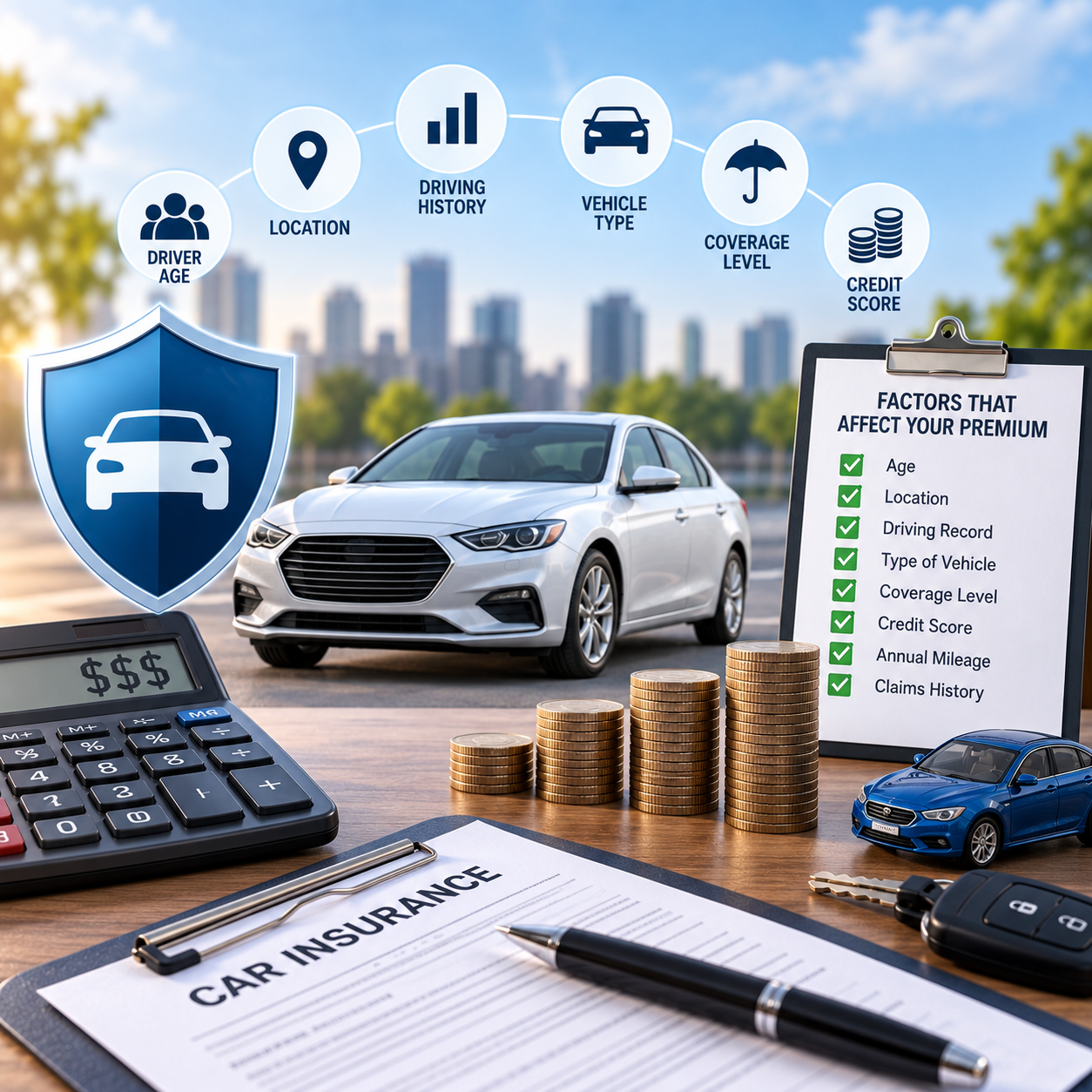
One of the biggest reasons drivers choose liability insurance is affordability. Because full coverage protects your own vehicle in addition to others, insurance companies assume more financial risk. As a result, premiums are typically higher. The exact difference depends on several factors, including:
- Your age
- Driving history
- Location
- Credit-based insurance score (where permitted)
- Vehicle value
- Annual mileage
- Chosen deductible
While every quote is different, liability-only insurance generally costs considerably less than full coverage. However, choosing the cheapest policy isn’t always the least expensive decision in the long run. Paying a slightly higher premium today could save you thousands after a covered loss.
Pros and Cons
Liability Insurance
Pros
- Lower monthly premiums
- Meets legal requirements in most states
- Good option for older vehicles
- Simple and affordable coverage
Cons
- Doesn’t protect your own vehicle
- No coverage for theft or weather damage
- Higher financial risk after an accident
- May leave you paying large repair bills yourself
Full Coverage Insurance
Pros
- Protects both you and other drivers
- Covers collision and many non-collision losses
- Offers greater financial security
- Required for many financed and leased vehicles
Cons
- Higher monthly premiums
- Usually includes deductibles for collision and comprehensive claims
- May not be cost-effective for older, low-value vehicles
Quick Decision Guide
| Your Situation | Recommended Coverage |
|---|---|
| New vehicle | ✅ Full Coverage |
| Financed or leased vehicle | ✅ Full Coverage |
| Vehicle worth more than $10,000 | ✅ Full Coverage |
| Older vehicle with low market value | ✅ Liability Insurance |
| You can easily replace your vehicle yourself | ✅ Liability Insurance |
| You rely on your vehicle every day | ✅ Full Coverage |
Expert Tip
Don’t choose your car insurance based solely on the monthly premium. Instead, think about the financial impact of a worst-case scenario.
Ask yourself:
“If my vehicle were totaled tomorrow, could I comfortably pay to replace it without creating financial stress?”
If the answer is no, maintaining full coverage is often the wiser long-term decision. Insurance isn’t just about meeting legal requirements—it’s about protecting your financial future when unexpected events happen.
Final Verdict: Liability vs. Full Coverage
Choosing between liability insurance and full coverage isn’t about finding the cheapest policy—it’s about finding the right level of protection for your financial situation. If you drive an older vehicle with limited value and can comfortably afford repairs or replacement, liability insurance may be all you need. On the other hand, if your vehicle is newer, financed, leased, or represents a major financial investment, full coverage usually offers far better protection against unexpected expenses.
Before changing your policy, compare:
- Your vehicle’s current market value
- Your monthly insurance premium
- Your deductible
- Your ability to pay for major repairs or replacement
- Your lender’s insurance requirements (if applicable)
Making an informed decision today can help protect both your vehicle and your finances tomorrow.
Conclusion
Understanding the difference between liability insurance and full coverage is one of the most important steps in choosing the right auto insurance policy. While liability insurance helps satisfy legal requirements and protects others if you cause an accident, full coverage adds valuable protection for your own vehicle against collisions, theft, severe weather, vandalism, and many other unexpected events. The best choice depends on your vehicle, your budget, and your ability to handle unexpected repair or replacement costs. Instead of focusing only on the monthly premium, consider the financial protection each option provides when you need it most.
At PolicyHelpUSA, our goal is to make insurance simple, transparent, and easy to understand. We create practical guides that help U.S. drivers compare coverage options, understand insurance terminology, and make confident financial decisions.
Frequently Asked Questions (FAQs)
Is full coverage insurance required by law?
No. In most U.S. states, only liability insurance is legally required. However, if your vehicle is financed or leased, your lender will usually require you to carry collision and comprehensive coverage until the loan is paid off.
Does full coverage include liability insurance?
Yes. Full coverage typically includes liability insurance along with collision and comprehensive coverage. Many drivers also add optional protections such as roadside assistance, rental reimbursement, or uninsured motorist coverage.
Can I switch from full coverage to liability insurance?
Yes, as long as you own your vehicle outright and your state only requires liability coverage. Before making the switch, consider your vehicle’s value and whether you could afford to repair or replace it after an accident.
At what point should I drop full coverage?
There’s no universal rule. Many drivers consider dropping full coverage when the annual premium plus deductible approaches a significant percentage of the vehicle’s value. Compare the cost of coverage with your car’s current market value before making a decision.
Does liability insurance cover theft or vandalism?
No. Liability insurance only pays for injuries and property damage you cause to others. Protection against theft, vandalism, fire, hail, floods, and many other non-collision events is generally provided by comprehensive coverage.
Is full coverage worth the extra cost?
For many drivers, yes. If your vehicle has substantial value or replacing it would create financial hardship, full coverage can provide valuable peace of mind. For older vehicles with low market value, liability insurance may be the more cost-effective option.