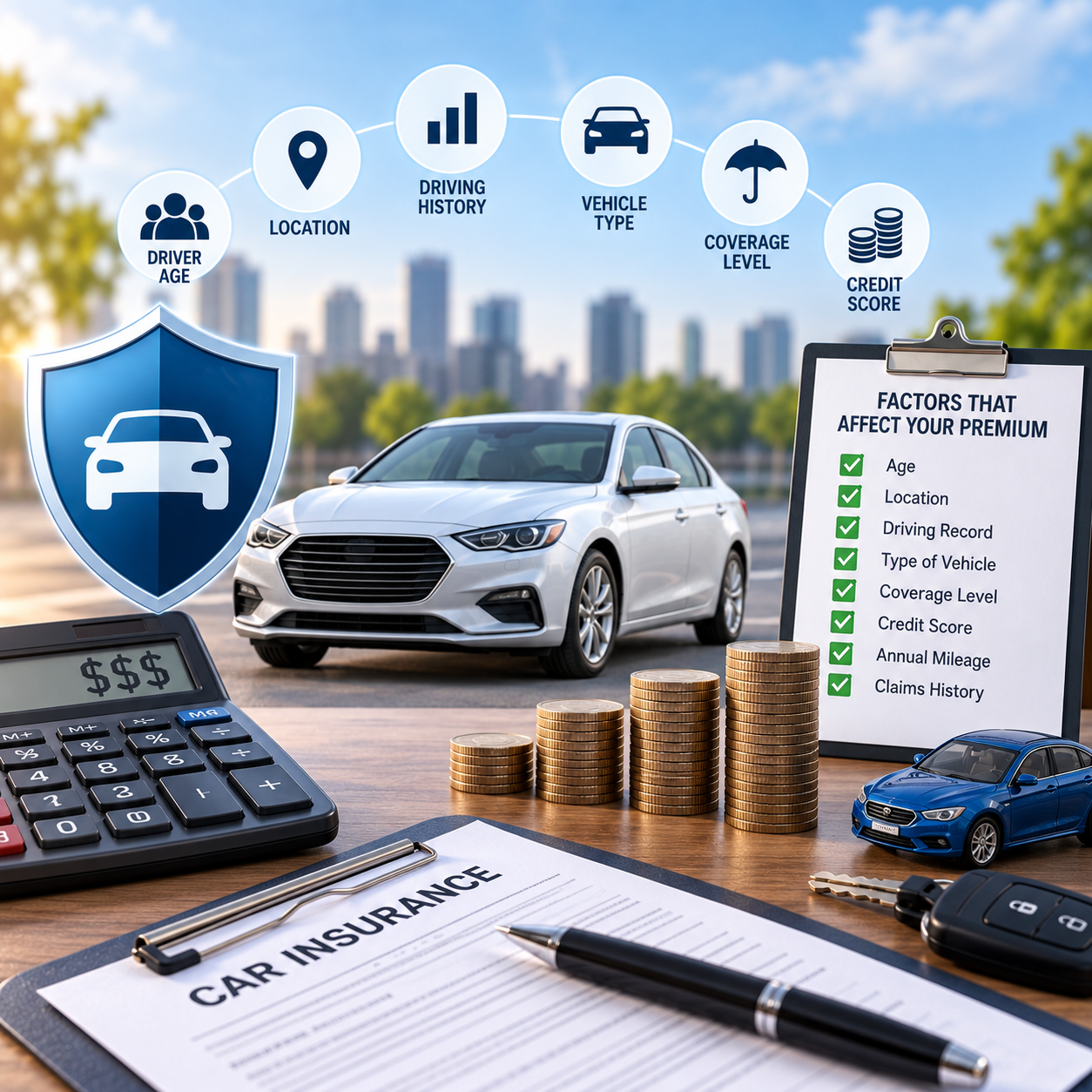
Car Insurance is one of the biggest ongoing costs of owning a vehicle, but there isn’t a single price that every driver pays. Two people with similar cars can receive very different insurance quotes because insurers consider many personal and vehicle-related factors when calculating premiums. If you’ve ever wondered why your friend pays less for the same type of car, or why your premium increased even though you didn’t file a claim, you’re not alone. Auto insurance pricing can seem complicated at first, but understanding the basics makes it much easier to compare policies and find the right coverage at a fair price.
In this guide, you’ll learn the average cost of car insurance in the United States, the factors that affect your premium, why prices vary between drivers, and practical ways to save money without sacrificing important protection.
What Is the Average Cost of Car Insurance in 2026?
One of the most common questions drivers ask is, “How much should car insurance cost?” The honest answer is that there isn’t a universal price. Your premium depends on dozens of variables, including your age, driving history, where you live, the vehicle you drive, and the amount of coverage you purchase.
However, national averages can provide a helpful starting point when comparing quotes.
| Coverage Type | Estimated Monthly Cost | Estimated Annual Cost |
|---|---|---|
| State Minimum Liability Coverage | $55–$85 | $660–$1,020 |
| Full Coverage Insurance | $170–$250 | $2,040–$3,000 |
These are general national estimates. Your actual premium may be significantly higher or lower depending on your individual circumstances, insurer, and state.
Instead of comparing your premium with a national average, compare multiple quotes from reputable insurance companies that evaluate your personal risk profile.
Why Does Car Insurance Cost So Much?
Insurance companies don’t choose premiums at random. Every quote is based on the likelihood that the insurer will need to pay future claims. To estimate that risk, insurers analyze a wide range of information about both the driver and the vehicle. For example, a driver with ten years of safe driving experience generally presents less risk than a newly licensed driver. Likewise, a family SUV usually costs less to insure than a high-performance sports car because repair costs and accident statistics differ.
Insurance premiums also reflect broader economic conditions. Rising repair costs, expensive vehicle technology, medical inflation, labour shortages, and severe weather events have all contributed to higher insurance costs in recent years.
What Factors Affect Your Car Insurance Premium?
Although every insurance company uses its own pricing model, most insurers consider similar factors when calculating premiums.
1. Your Age
Age is one of the strongest predictors of insurance cost. Teenage and newly licensed drivers generally pay the highest premiums because they have less driving experience and are statistically involved in more accidents. As drivers gain experience and maintain clean driving records, premiums often decrease. Many drivers see lower rates during their 30s, 40s, and 50s. Premiums may increase again later in life depending on individual circumstances and insurer underwriting guidelines.
2. Your Driving Record
Your driving history tells insurers how safely you’ve driven in the past. Drivers with no accidents, speeding tickets, or major traffic violations often qualify for lower premiums. On the other hand, recent accidents or serious violations may increase insurance costs because insurers consider these drivers to present a higher level of risk. Maintaining a clean driving record remains one of the most effective long-term ways to reduce insurance costs.
3. Your Claims History
Insurance companies also review your previous insurance claims. Multiple claims within a short period may suggest a greater likelihood of future claims, which can influence your premium at renewal or when shopping for a new policy. Not every claim has the same impact. Factors such as claim type, severity, and fault determination can all affect future pricing.
4. Where You Live
Your location plays a major role in determining insurance costs. Drivers living in densely populated cities often pay more than those in rural areas because urban environments typically experience higher accident rates, increased traffic congestion, greater vehicle theft, and more expensive repair costs. State laws also influence premiums. Minimum coverage requirements, litigation trends, medical costs, and insurance regulations vary across the United States, resulting in different average premiums from one state to another.
5. The Vehicle You Drive
Your car itself has a significant impact on your premium.
Insurers consider factors such as:
- Vehicle value
- Repair costs
- Replacement parts availability
- Safety ratings
- Theft frequency
- Engine size and performance
- Advanced technology and sensors
Luxury vehicles, sports cars, and vehicles with expensive replacement parts generally cost more to insure than practical family sedans or compact SUVs.
6. Coverage Limits You Choose
The amount of protection you purchase directly affects your premium. Policies with higher liability limits provide greater financial protection after a covered accident, but they also cost more than policies with minimum coverage limits. Similarly, adding collision, comprehensive, roadside assistance, rental reimbursement, or other optional coverages increases your premium while expanding your protection.
7. Your Deductible
Your deductible is the amount you agree to pay before your insurance begins covering certain types of claims. Choosing a higher deductible usually lowers your monthly premium because you’re accepting more financial responsibility if a covered loss occurs. However, make sure your deductible is an amount you could comfortably afford if you needed to file a claim.
If you’re unsure how deductibles work, read our complete guide on How Car Insurance Deductibles Work for a detailed explanation.
Additional Factors That Affect Your Car Insurance Premium
Beyond your age, driving history, vehicle, and coverage choices, insurers may also consider several other factors when calculating your premium. Not every factor is used in every state, and insurance laws vary across the United States.
8. Credit-Based Insurance Score (Where Permitted)
In many states, insurers may use a credit-based insurance score as one factor when determining premiums. This score is different from your traditional credit score used by lenders, although it may be based on similar financial information.
Some studies have found a relationship between insurance risk and certain credit characteristics. As a result, drivers with stronger credit histories may qualify for lower premiums in states where this practice is allowed.
However, several states restrict or prohibit the use of credit information for auto insurance pricing. Your insurer must follow the laws that apply where you live.
9. Annual Mileage
The more you drive, the greater your chances of being involved in an accident. For this reason, many insurers ask for an estimate of how many miles you drive each year. Drivers who only use their vehicles occasionally may qualify for lower premiums than those with long daily commutes. If your driving habits change for example, you begin working from home it may be worth asking your insurer whether you qualify for lower rates.
10. Marital Status
Some insurers consider marital status when calculating premiums because their historical claims data may show different risk patterns among different groups of drivers. This pricing factor is not used the same way by every insurer, and state laws may limit how it can be applied.
11. Available Discounts
One of the easiest ways to lower your insurance premium is to take advantage of available discounts. Many insurers offer savings for drivers who qualify for programs such as:
- Safe driver discounts
- Multi-policy (bundling) discounts
- Multi-vehicle discounts
- Good student discounts
- Defensive driving course discounts
- Low annual mileage discounts
- Automatic payment discounts
- Paperless billing discounts
- Vehicle safety feature discounts
Discount availability varies by insurer, so it’s always worth asking what savings opportunities are available.
Average Insurance Costs by Driver Type
Different drivers often pay different premiums because insurers evaluate risk based on experience, claims history, and other rating factors.
| Driver Type | Typical Premium Trend | Reason |
|---|---|---|
| Teen Driver | Highest | Limited driving experience and higher statistical accident risk. |
| Young Adult | High | Rates often decrease with additional driving experience. |
| Middle-Aged Driver | Lower | Established driving history may reduce perceived risk. |
| Senior Driver | Varies | Premiums depend on driving record, health, and insurer guidelines. |
| Driver with Accident History | Higher | Previous claims may increase future premiums. |
| Driver with Clean Record | Lower | Safe driving often qualifies for better pricing. |
These are general trends rather than guaranteed outcomes. Every insurer uses its own rating formula.
How Vehicle Type Affects Insurance Costs
Not all vehicles cost the same to insure. Repair costs, theft rates, safety ratings, and replacement values all influence insurance pricing.
| Vehicle Type | Typical Insurance Cost |
|---|---|
| Compact Sedan | Usually among the most affordable. |
| Family SUV | Often moderate depending on model and safety features. |
| Pickup Truck | Varies depending on use and model. |
| Luxury Vehicle | Generally higher because of expensive repairs and replacement parts. |
| Sports Car | Typically among the highest because of performance and repair costs. |
| Electric Vehicle | Varies depending on battery technology, repair costs, and replacement parts. |
Before buying a vehicle, it can be helpful to request insurance quotes for different models. A car with a lower purchase price does not always have the lowest insurance premium.
How Your Location Changes Insurance Costs
Where you live affects your premium in several ways. Insurance companies analyse local claim trends, weather patterns, repair costs, traffic density, and theft statistics when setting rates.
For example:
- Urban areas often have more accidents and vehicle theft.
- Regions with frequent hail, hurricanes, floods, or wildfires may have higher comprehensive insurance costs.
- Areas with expensive repair shops and higher medical costs can also lead to higher premiums.
- State insurance laws influence minimum coverage requirements and pricing rules.
Even moving to a different ZIP code within the same city may affect your premium.
Real-Life Examples
Example 1: Safe Driver
Emma has maintained a clean driving record for eight years, drives about 8,000 miles annually, and owns a reliable midsize sedan with modern safety features. Because she presents relatively low risk, she may qualify for several discounts and receive competitive insurance quotes from multiple companies.
Example 2: New Driver
Jacob recently received his driver’s license and purchased his first vehicle. Although he has never caused an accident, his limited driving experience may result in higher premiums compared with older, more experienced drivers.
Example 3: Luxury Vehicle Owner
Sophia purchases a luxury SUV equipped with advanced electronics and premium replacement parts. Even with an excellent driving history, her insurance premium may be higher because repair and replacement costs are significantly greater than those of a standard family vehicle.
Common Mistakes That Increase Insurance Costs
- Choosing a vehicle without checking insurance costs first.
- Allowing coverage to lapse between policies.
- Failing to compare quotes from multiple insurers.
- Ignoring available discounts.
- Selecting coverage that no longer matches your needs.
- Not reviewing your policy after major life changes.
- Filing small claims that may affect future premiums.
A quick annual review of your policy can help ensure you’re receiving appropriate coverage at a competitive price.
Additional Factors That Affect Your Car Insurance Premium
Beyond your age, driving history, vehicle, and coverage choices, insurers may also consider several other factors when calculating your premium. Not every factor is used in every state, and insurance laws vary across the United States.
8. Credit-Based Insurance Score (Where Permitted)
In many states, insurers may use a credit-based insurance score as one factor when determining premiums. This score is different from your traditional credit score used by lenders, although it may be based on similar financial information. Some studies have found a relationship between insurance risk and certain credit characteristics. As a result, drivers with stronger credit histories may qualify for lower premiums in states where this practice is allowed. However, several states restrict or prohibit the use of credit information for auto insurance pricing. Your insurer must follow the laws that apply where you live.
9. Annual Mileage
The more you drive, the greater your chances of being involved in an accident. For this reason, many insurers ask for an estimate of how many miles you drive each year. Drivers who only use their vehicles occasionally may qualify for lower premiums than those with long daily commutes. If your driving habits change for example, you begin working from home it may be worth asking your insurer whether you qualify for lower rates.
10. Marital Status
Some insurers consider marital status when calculating premiums because their historical claims data may show different risk patterns among different groups of drivers. This pricing factor is not used the same way by every insurer, and state laws may limit how it can be applied.
11. Available Discounts
One of the easiest ways to lower your insurance premium is to take advantage of available discounts. Many insurers offer savings for drivers who qualify for programs such as:
- Safe driver discounts
- Multi-policy (bundling) discounts
- Multi-vehicle discounts
- Good student discounts
- Defensive driving course discounts
- Low annual mileage discounts
- Automatic payment discounts
- Paperless billing discounts
- Vehicle safety feature discounts
Discount availability varies by insurer, so it’s always worth asking what savings opportunities are available.
Average Insurance Costs by Driver Type
Different drivers often pay different premiums because insurers evaluate risk based on experience, claims history, and other rating factors.
| Driver Type | Typical Premium Trend | Reason |
|---|---|---|
| Teen Driver | Highest | Limited driving experience and higher statistical accident risk. |
| Young Adult | High | Rates often decrease with additional driving experience. |
| Middle-Aged Driver | Lower | Established driving history may reduce perceived risk. |
| Senior Driver | Varies | Premiums depend on driving record, health, and insurer guidelines. |
| Driver with Accident History | Higher | Previous claims may increase future premiums. |
| Driver with Clean Record | Lower | Safe driving often qualifies for better pricing. |
These are general trends rather than guaranteed outcomes. Every insurer uses its own rating formula.
How Vehicle Type Affects Insurance Costs
Not all vehicles cost the same to insure. Repair costs, theft rates, safety ratings, and replacement values all influence insurance pricing.
| Vehicle Type | Typical Insurance Cost |
|---|---|
| Compact Sedan | Usually among the most affordable. |
| Family SUV | Often moderate depending on model and safety features. |
| Pickup Truck | Varies depending on use and model. |
| Luxury Vehicle | Generally higher because of expensive repairs and replacement parts. |
| Sports Car | Typically among the highest because of performance and repair costs. |
| Electric Vehicle | Varies depending on battery technology, repair costs, and replacement parts. |
Before buying a vehicle, it can be helpful to request insurance quotes for different models. A car with a lower purchase price does not always have the lowest insurance premium.
How Your Location Changes Insurance Costs
Where you live affects your premium in several ways. Insurance companies analyse local claim trends, weather patterns, repair costs, traffic density, and theft statistics when setting rates.
For example:
- Urban areas often have more accidents and vehicle theft.
- Regions with frequent hail, hurricanes, floods, or wildfires may have higher comprehensive insurance costs.
- Areas with expensive repair shops and higher medical costs can also lead to higher premiums.
- State insurance laws influence minimum coverage requirements and pricing rules.
Even moving to a different ZIP code within the same city may affect your premium.
Real-Life Examples
Example 1: Safe Driver
Emma has maintained a clean driving record for eight years, drives about 8,000 miles annually, and owns a reliable midsize sedan with modern safety features. Because she presents relatively low risk, she may qualify for several discounts and receive competitive insurance quotes from multiple companies.
Example 2: New Driver
Jacob recently received his driver’s license and purchased his first vehicle. Although he has never caused an accident, his limited driving experience may result in higher premiums compared with older, more experienced drivers.
Example 3: Luxury Vehicle Owner
Sophia purchases a luxury SUV equipped with advanced electronics and premium replacement parts. Even with an excellent driving history, her insurance premium may be higher because repair and replacement costs are significantly greater than those of a standard family vehicle.
Common Mistakes That Increase Insurance Costs
- Choosing a vehicle without checking insurance costs first.
- Allowing coverage to lapse between policies.
- Failing to compare quotes from multiple insurers.
- Ignoring available discounts.
- Selecting coverage that no longer matches your needs.
- Not reviewing your policy after major life changes.
- Filing small claims that may affect future premiums.
A quick annual review of your policy can help ensure you’re receiving appropriate coverage at a competitive price.
Why Did My Car Insurance Premium Increase?
Many drivers are surprised when their insurance premium increases even though they haven’t been involved in an accident. While a claim or traffic violation can certainly raise your rates, there are many other reasons your premium may change. Insurance companies regularly review their pricing based on economic conditions, claims data, repair costs, and other risk factors. As a result, your premium can increase even if your personal driving record remains unchanged.
Some common reasons include:
- Higher vehicle repair and replacement costs.
- Rising medical expenses related to accident claims.
- An increase in vehicle theft or accident rates in your area.
- Changes to state insurance laws or minimum coverage requirements.
- Your policy renewal includes updated risk calculations.
- You added a new driver or vehicle to your policy.
- Your previous discounts expired.
- You moved to a different ZIP code.
If your premium increases unexpectedly, ask your insurer for an explanation and compare quotes from other companies before renewing your policy.
How to Lower Your Car Insurance Premium
Although insurance costs have increased in many parts of the United States, there are still several ways to reduce your premium without sacrificing important protection.
1. Compare Quotes Every Year
Insurance companies use different pricing models. Getting quotes from multiple insurers each year may help you find better value for similar coverage.
2. Bundle Your Policies
Many insurers offer discounts when you purchase multiple policies, such as auto and homeowners or renters insurance, from the same company.
3. Maintain a Clean Driving Record
Safe driving remains one of the best long-term ways to qualify for lower premiums. Avoiding accidents and traffic violations can lead to significant savings over time.
4. Increase Your Deductible
If you have enough emergency savings to cover a higher out-of-pocket expense after a covered claim, choosing a higher deductible may reduce your monthly premium.
5. Ask About Discounts
Many drivers miss out on discounts simply because they never ask. Contact your insurer to see if you qualify for safe driver, multi-policy, good student, low-mileage, or vehicle safety discounts.
6. Review Your Coverage Regularly
Your insurance needs change over time. An annual policy review can help ensure you’re paying for coverage that still matches your vehicle, budget, and financial goals.
7. Improve Your Credit Where Applicable
In states where insurers are allowed to use credit-based insurance scores, maintaining good financial habits may help you qualify for better rates over time.
8. Drive Fewer Miles
If your annual mileage decreases because you work remotely or drive less frequently, let your insurer know. You may qualify for lower premiums.
Quick Checklist to Save Money on Car Insurance
✔ Compare quotes from several insurers before renewing.
✔ Maintain a clean driving record.
✔ Ask about every available discount.
✔ Consider a higher deductible if it fits your budget.
✔ Review your coverage every year.
✔ Bundle policies when possible.
✔ Notify your insurer if your annual mileage decreases.
✔ Choose a vehicle with strong safety ratings and reasonable repair costs.
Frequently Asked Questions
What is the average monthly cost of car insurance?
Average monthly premiums vary depending on your location, driving history, vehicle, and coverage. Drivers with minimum liability coverage generally pay much less than those with full coverage, but individual quotes can differ significantly.
Why is my car insurance more expensive than my friend’s?
Even if you drive similar vehicles, differences in age, driving history, ZIP code, annual mileage, claims history, coverage limits, and insurer pricing models can result in different premiums.
Does my age affect my insurance premium?
Yes. Younger and newly licensed drivers often pay higher premiums because they have less driving experience. Premiums may decrease as drivers gain experience and maintain a safe driving record.
Can I lower my premium without reducing my coverage?
Often, yes. Comparing quotes, qualifying for discounts, bundling policies, maintaining a clean driving record, and updating your annual mileage are all ways to potentially reduce costs while keeping similar coverage.
Is full coverage always worth the extra cost?
It depends on your vehicle’s value, financial situation, and risk tolerance. Many drivers choose full coverage for newer or financed vehicles, while owners of older vehicles may decide that certain optional coverages are no longer cost-effective.
Final Verdict
There is no single “correct” price for car insurance. Every premium is based on a unique combination of personal, vehicle, and location-specific factors. Understanding how insurers calculate rates puts you in a stronger position to compare policies and make informed decisions. Rather than focusing solely on finding the cheapest policy, aim to find the best value. A slightly higher premium may provide significantly better protection, while an extremely low-cost policy could leave you underinsured when you need coverage the most. Review your policy regularly, compare quotes, and take advantage of available discounts to keep your insurance both affordable and appropriate for your needs.
Conclusion
Car insurance premiums are influenced by many factors, including your driving record, age, vehicle, location, coverage choices, and even broader economic conditions. While you can’t control every factor, you can make informed decisions that help keep your costs manageable. By understanding how premiums are calculated and reviewing your policy each year, you’ll be better prepared to choose coverage that protects both your vehicle and your financial future.
At PolicyHelpUSA, our mission is to make insurance simple and easy to understand. We create practical, unbiased guides that help U.S. drivers compare coverage options, understand insurance costs, and make confident decisions without confusing industry jargon.
If you’re building your knowledge of auto insurance, be sure to explore these related guides:
- What Is Car Insurance? The Complete Beginner’s Guide
- Types of Car Insurance Coverage Explained
- Liability vs. Full Coverage Car Insurance: Which One Do You Need?
- Collision vs. Comprehensive Insurance: What’s the Difference?
- How Car Insurance Deductibles Work
- How Much Car Insurance Do I Need?
The more you understand how car insurance works, the easier it becomes to find the right protection at a price that fits your budget.